“A child who knows their past, walks into the future with armor.”
-Rosetta Gaston
The mission of Brownsville Heritage House Inc. is to provide cultural and educational programs that enrich communities through the collection, study, exhibition, and dissemination of historical artifacts related to African American and other ethnic cultures. We develop and implement programs in art, poetry, drama, music, literature, and audio/visual creative works to foster meaningful intergenerational engagement between youth and elders.
Brownsville Heritage House strives to serve as one of the cultural epicenters for Brooklyn—bridging the past, present, and future—and offering a space where all people can explore, appreciate, and celebrate the richness of shared human heritage.
Our Founder
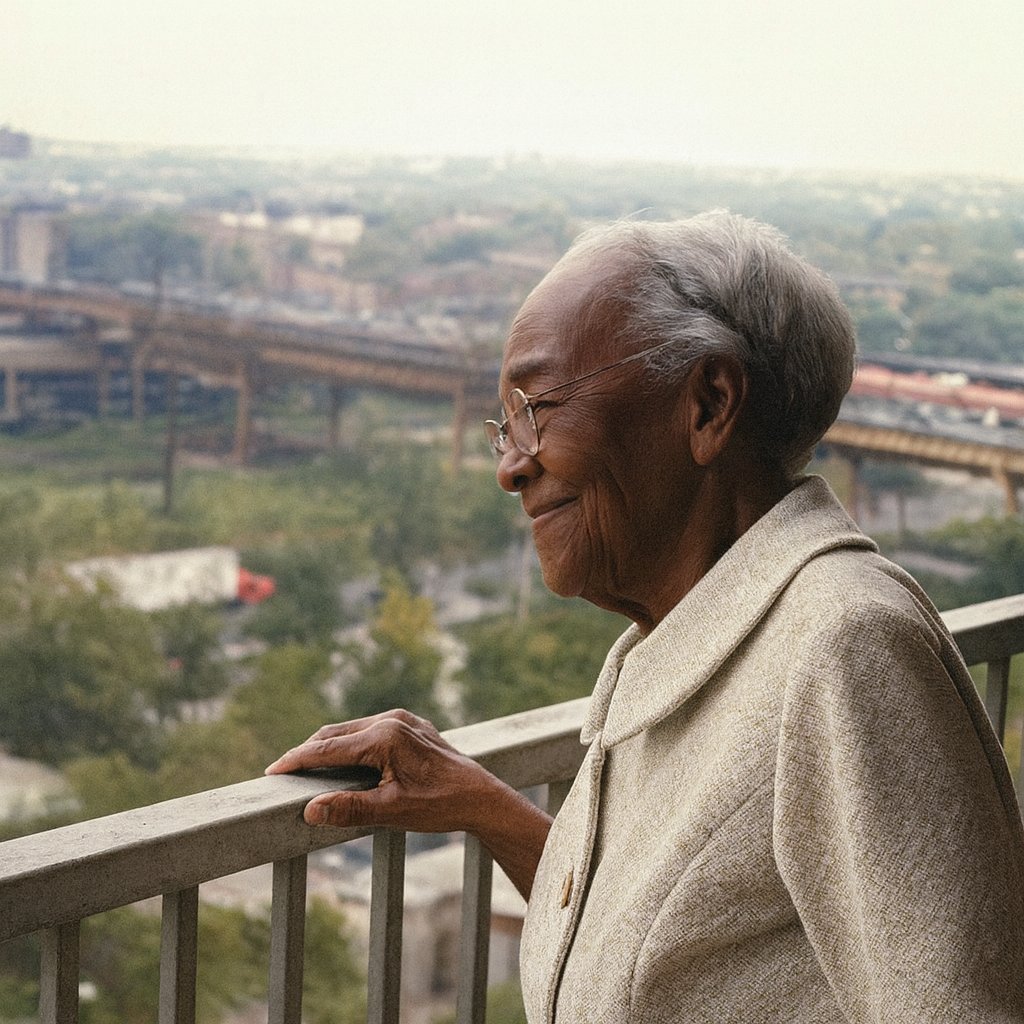
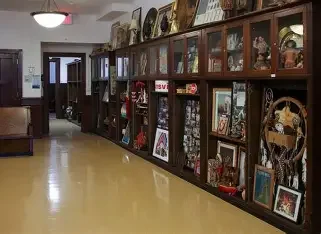
Rosetta Gaston is the founder and visionary of Brownsville Heritage House Inc. Although small in stature, she had a big vision for an educational and cultural center for young and old that would spark individual and community achievements by focusing on a common heritage.
Mother Gaston, as she was affectionately known, realized early on that the one element missing from our community, was the knowledge of our culture. She decided to do something about it. In 1969 she started the Children's Cultural Corner out of her home, where she taught young minds about their culture and history. This laid the foundation for the Brownsville Heritage House Inc. founded March 28, 1981.
“When you teach truth, you plant roots.”
Rosetta Gaston
ROOTS, RISE AND RENEWAL
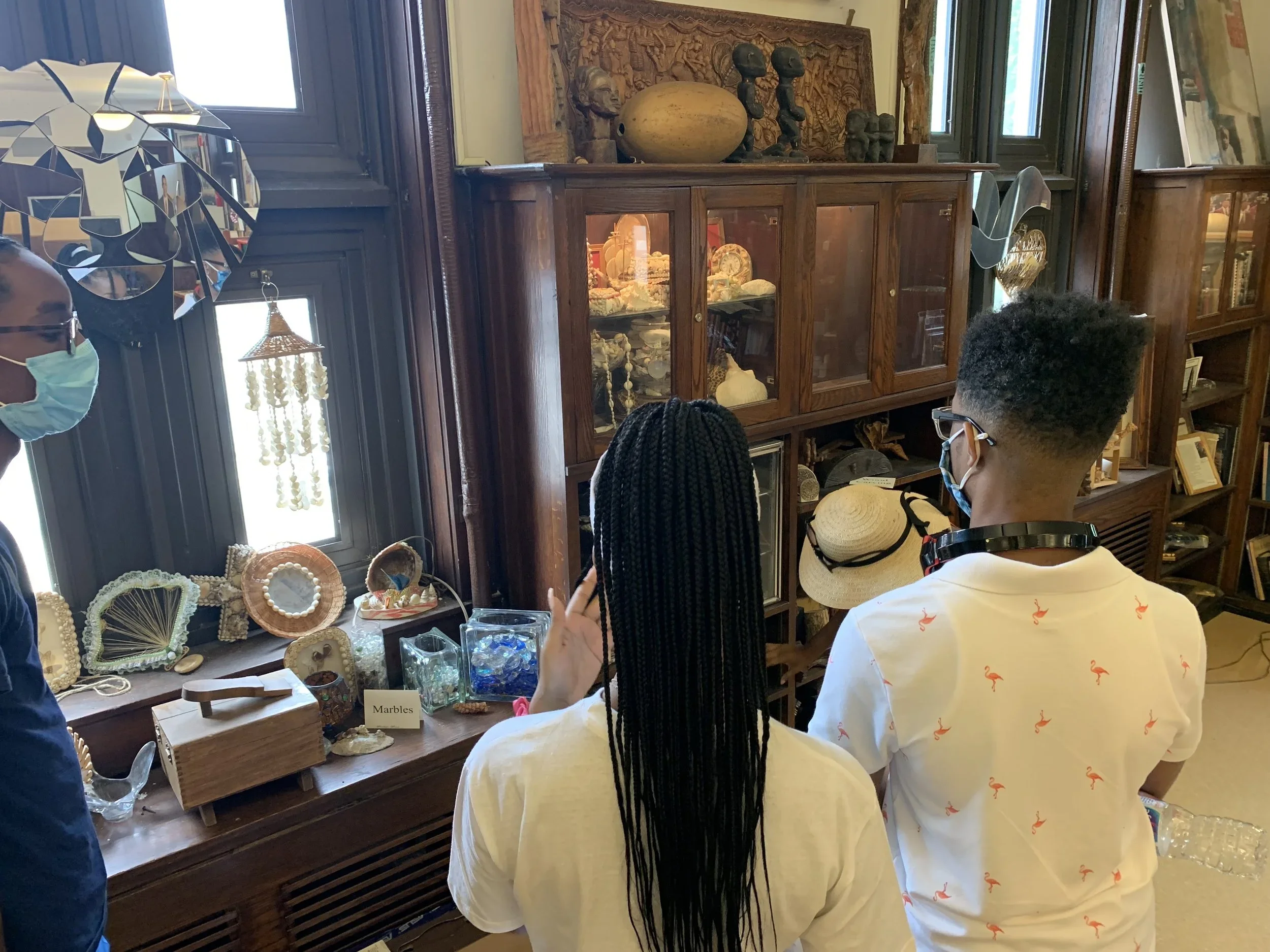

The second-floor space above the Stone Avenue Branch Library was secured through the dedicated efforts of former U.S. Congressmen Edolphus Towns and Major Owens, the latter of whom had once served as a librarian at the Stone Avenue Branch. Their support helped bring to life a dream that had been nurtured for over fifty years. Although Mother Rosetta Gaston passed away at the age of 96 just one month before the Brownsville Heritage House officially opened its doors in March 1981, her vision and legacy remain deeply embedded in its foundation.
Since its founding, BHH has remained a vital extension of the community—a space that fosters artistic expression, cultural celebration, and personal empowerment. By honoring historical legacy while embracing 21st-century innovation, BHH continues to serve as a guiding light for future generations, inspiring creativity, connection, and progress..
Patricia Deans
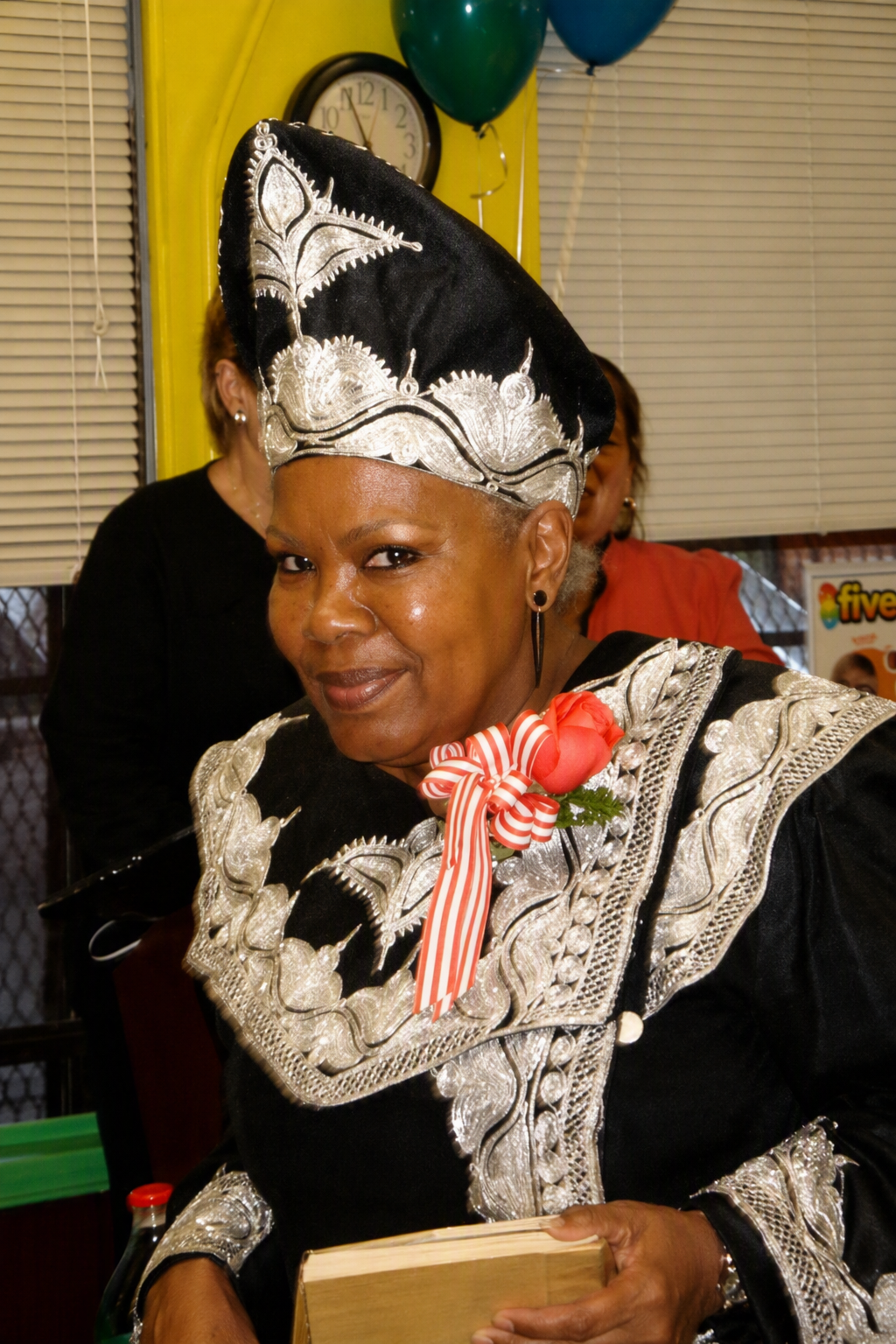
Driven by the vision and built on her own purpose, the relationship of Patricia Deans and Mother Gaston can be described as bold thinking meets thoughtful execution.
Brownsville Heritage House was founded on a simple but powerful principle: “Teach the Youth the Truth.” Patricia Deans embraced this motto not as a slogan but as a mission. As Director, Curator, Researcher, and Chairperson of the Board, she expanded the organization’s reach and deepened its impact. Her leadership brought new artifacts, new programs, and new partnerships into the fold, all with the goal of making history accessible to the community she loved.
BHH stands a cultural institution shaped as much by its history as by the woman who carried that history forward. For more than three decades, Patricia Deans served as the driving force behind Brownsville Heritage House a community anchor dedicated to preserving and celebrating Black history. Her work transformed the center into a vibrant hub of education, culture, and activism, ensuring that the stories of the past remained alive for future generations.
THE EVOLUTION OF A COMMUNITY INSTITUTION
OUR BOARD OF DIRECTORS
Behind everything we do is a team of people who truly care. We bring our full selves to the table—open-minded, collaborative, and ready to make something great.
Horace Young, Chairman
Malcolm McDaniel, Treasurer
Iris Robertson, Secretary
Miriam Robertson, Executive Director
Kasheem Ali, Member
Bonnie Jolly, Member
Gina Bell, Member
Angus Fisher, Member
Keonda Gaspard, Member
Keisha Maxwell, Member
Olivia Taylor, Member
Philena Taylor, Member